THE PALM BAY STORY
THE HISTORY
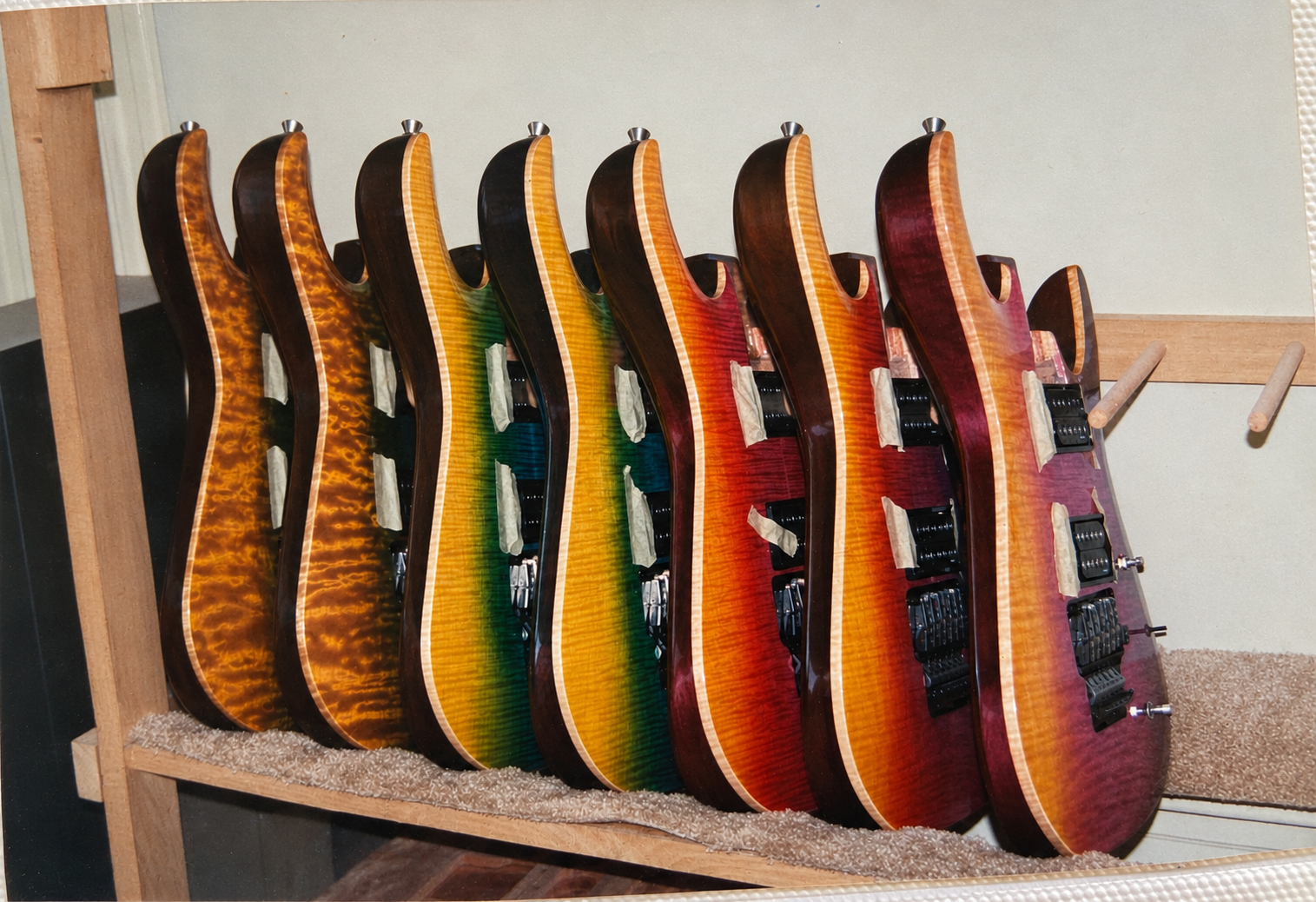
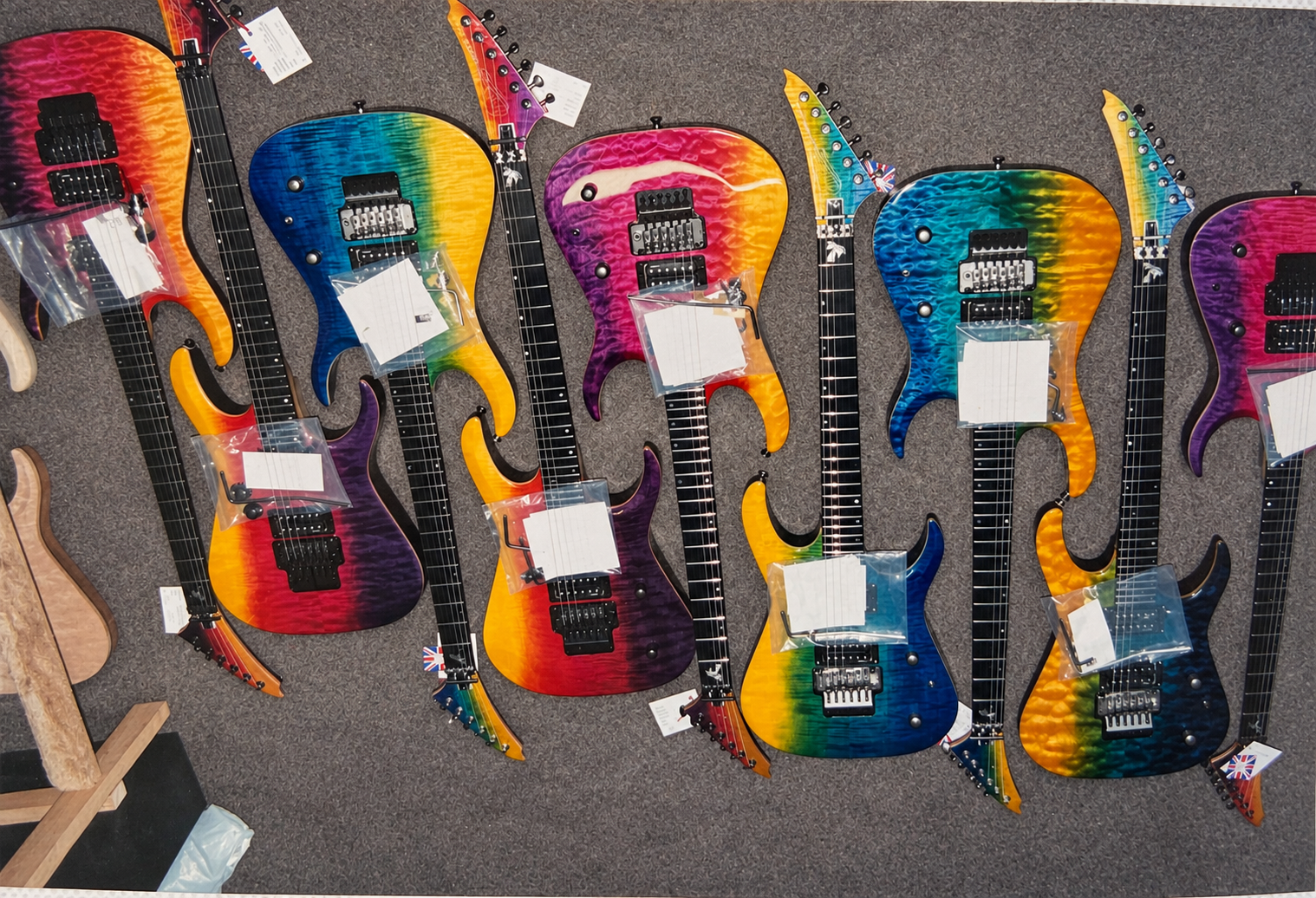
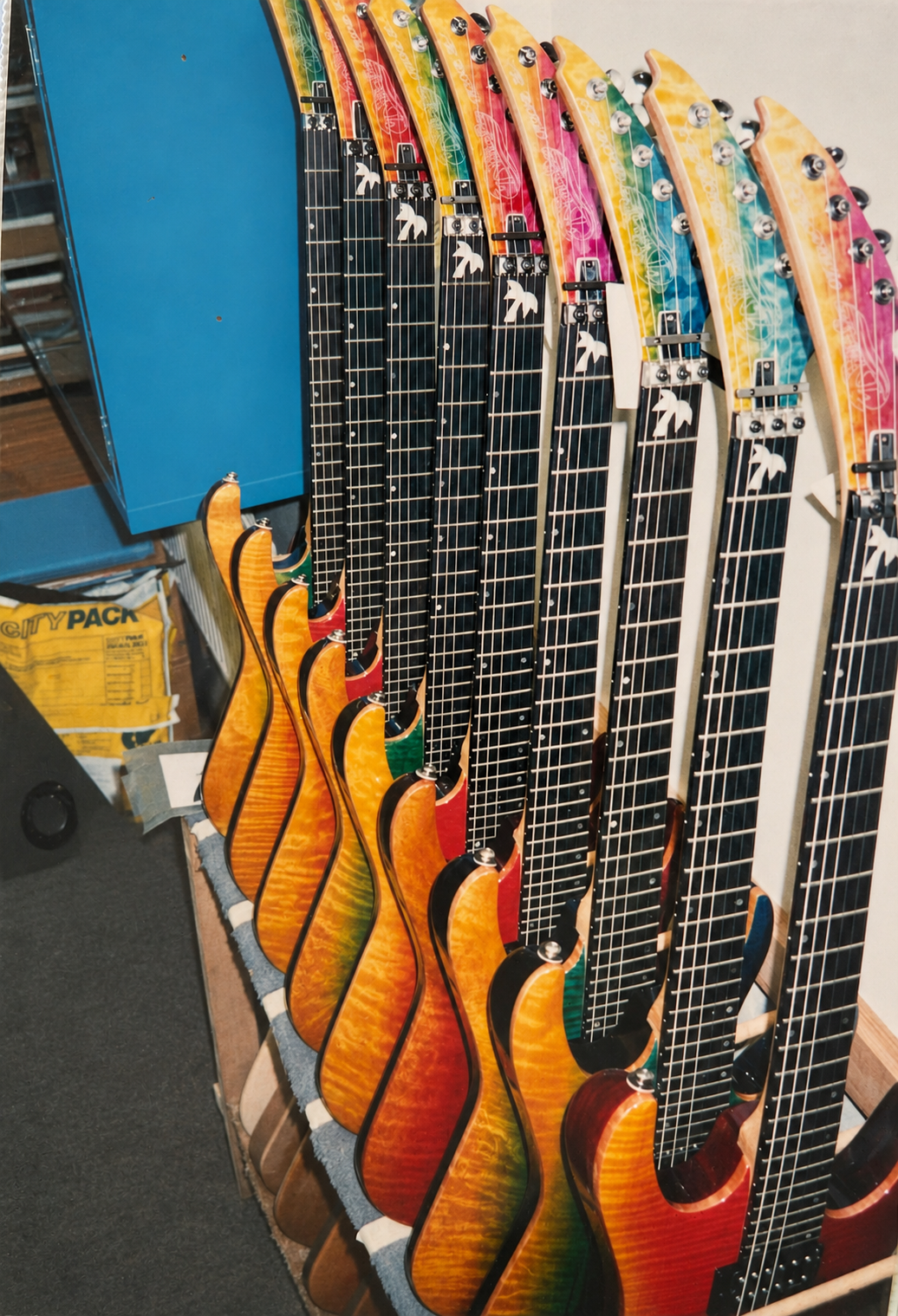
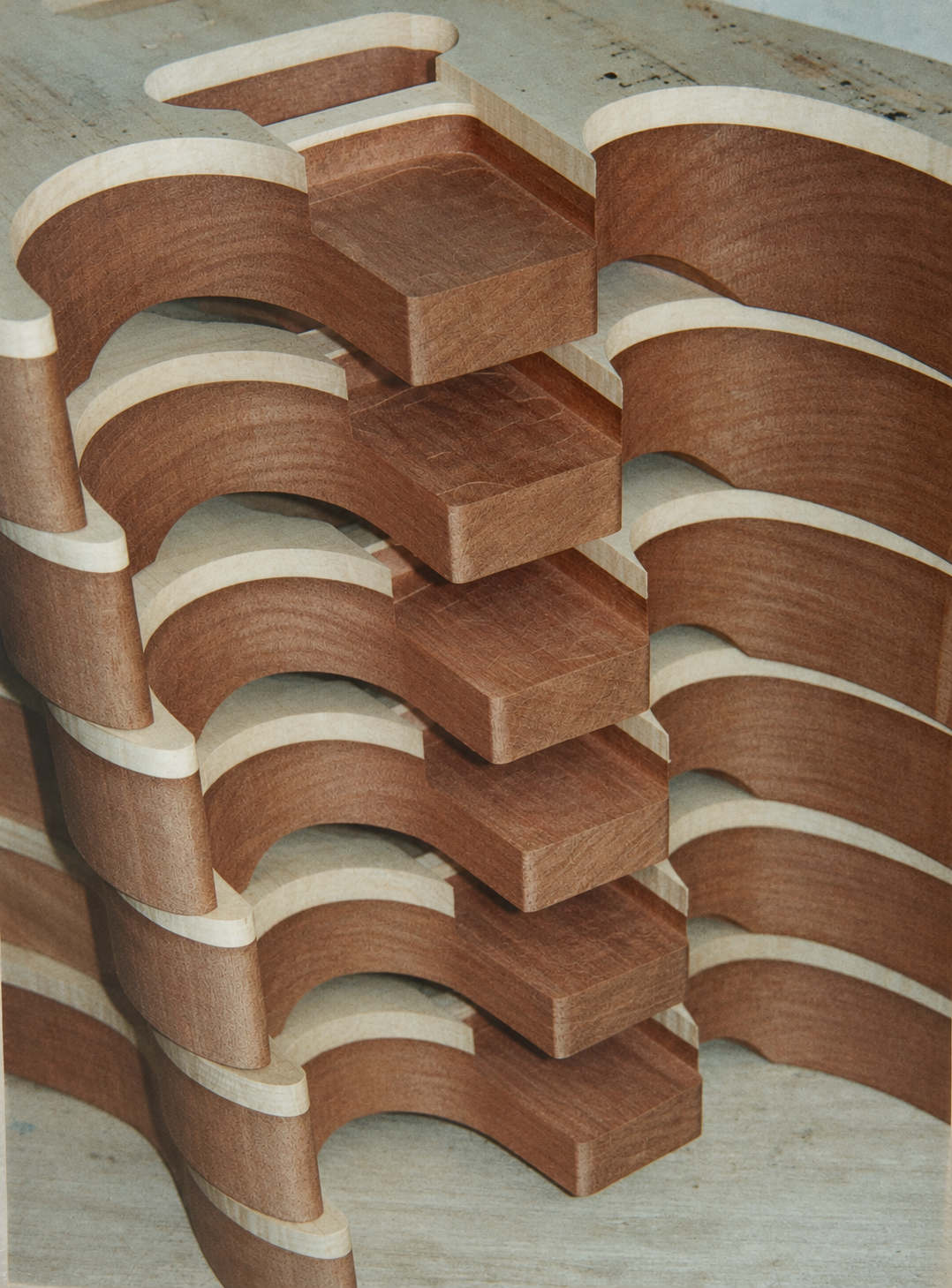
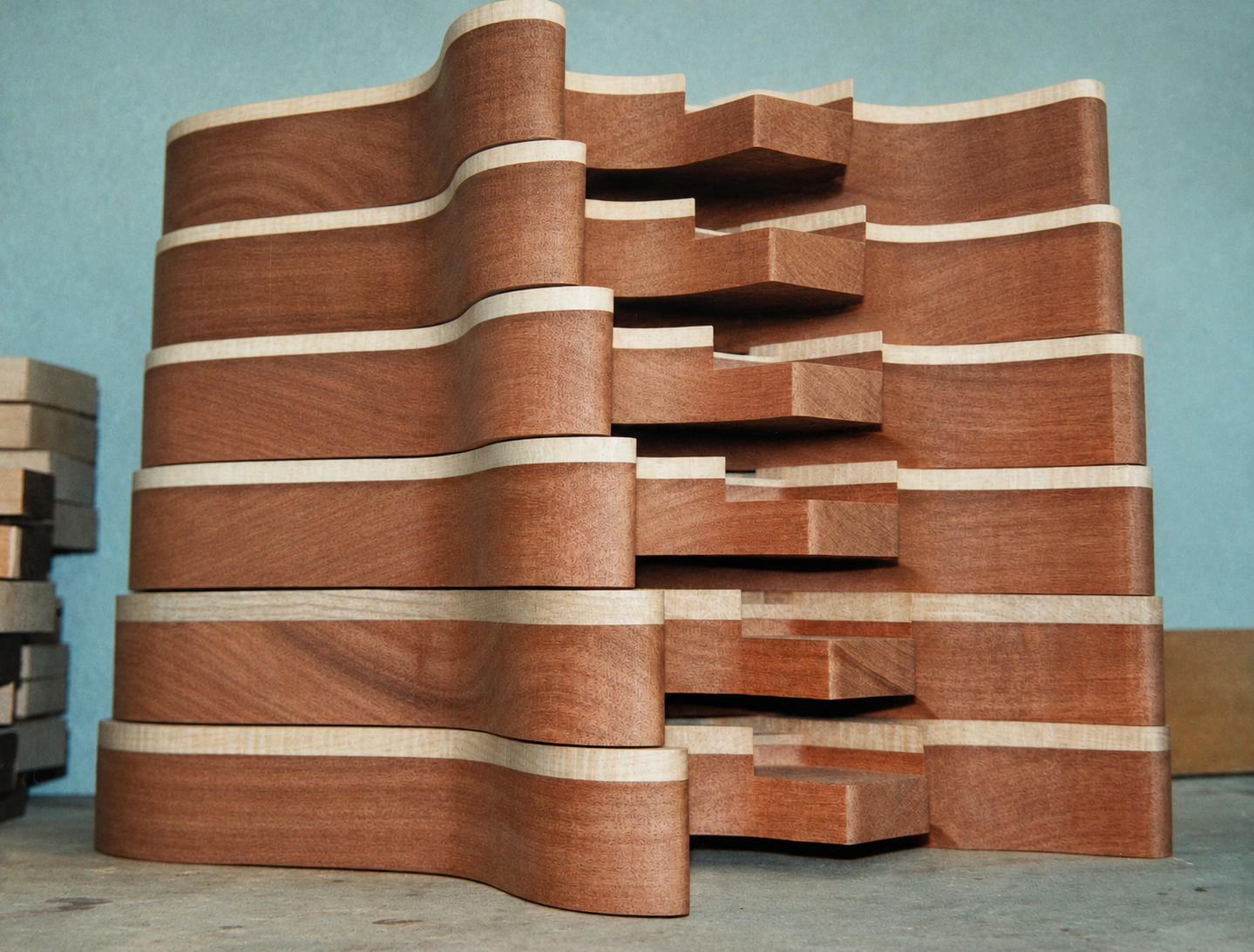
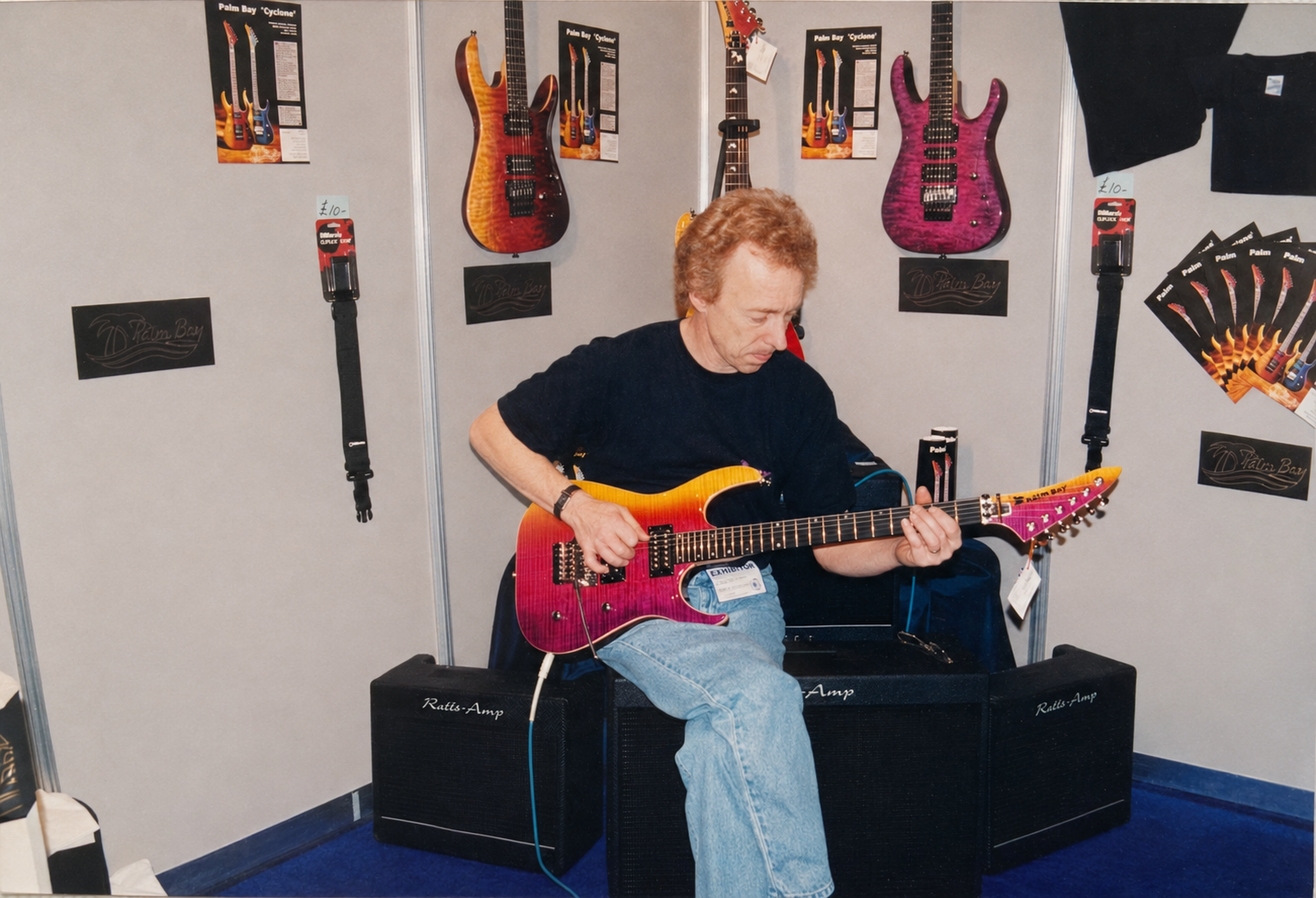
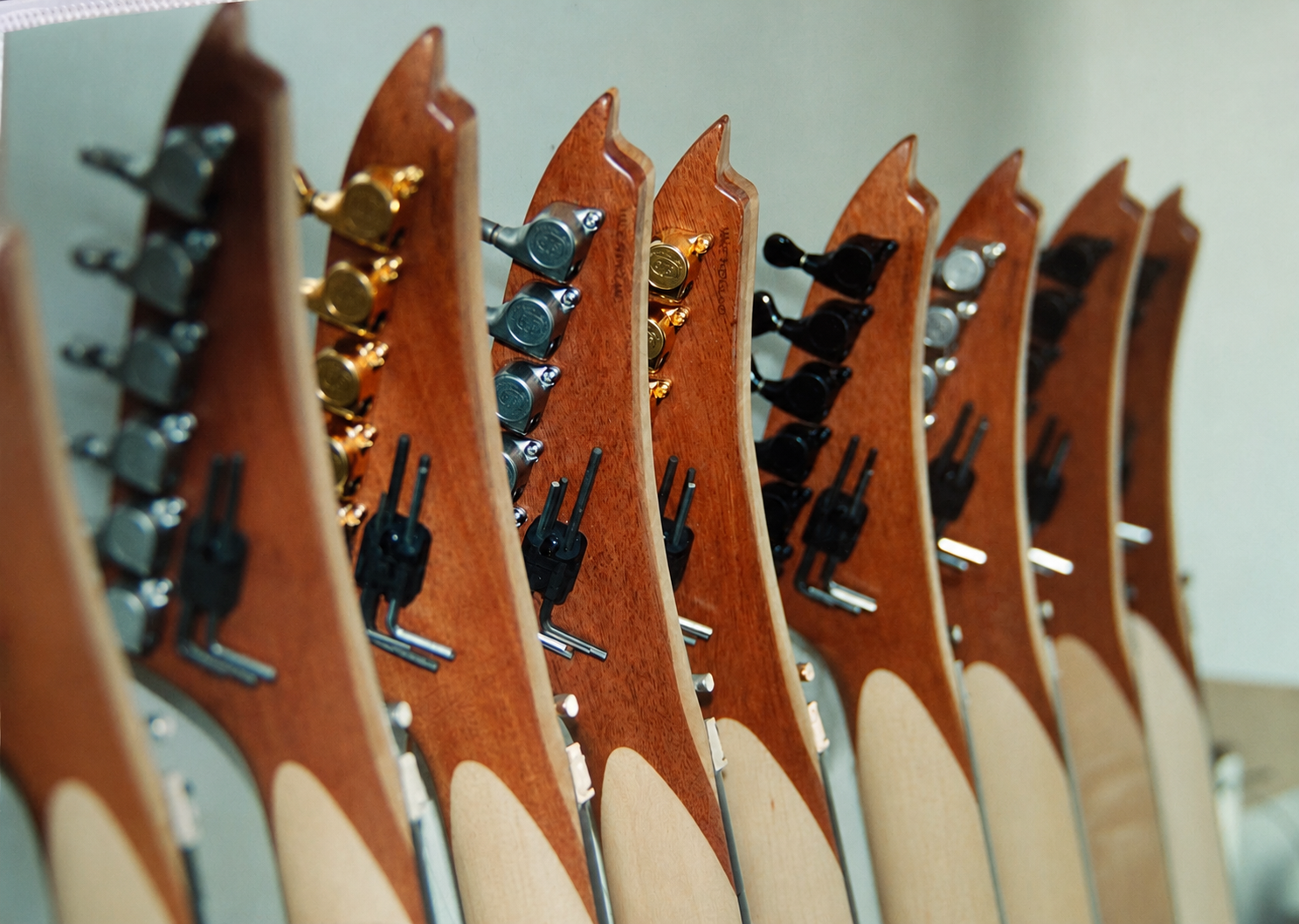
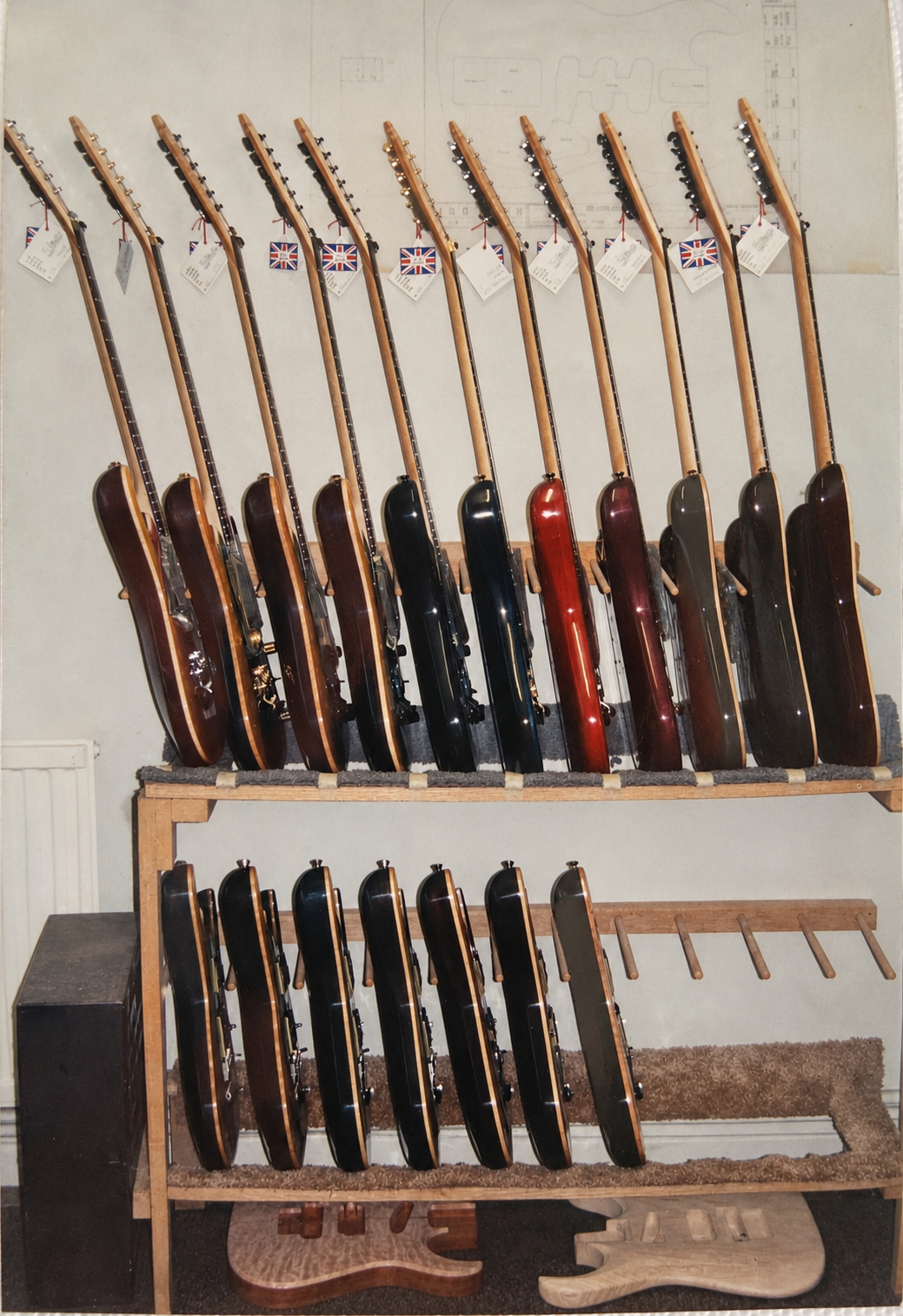
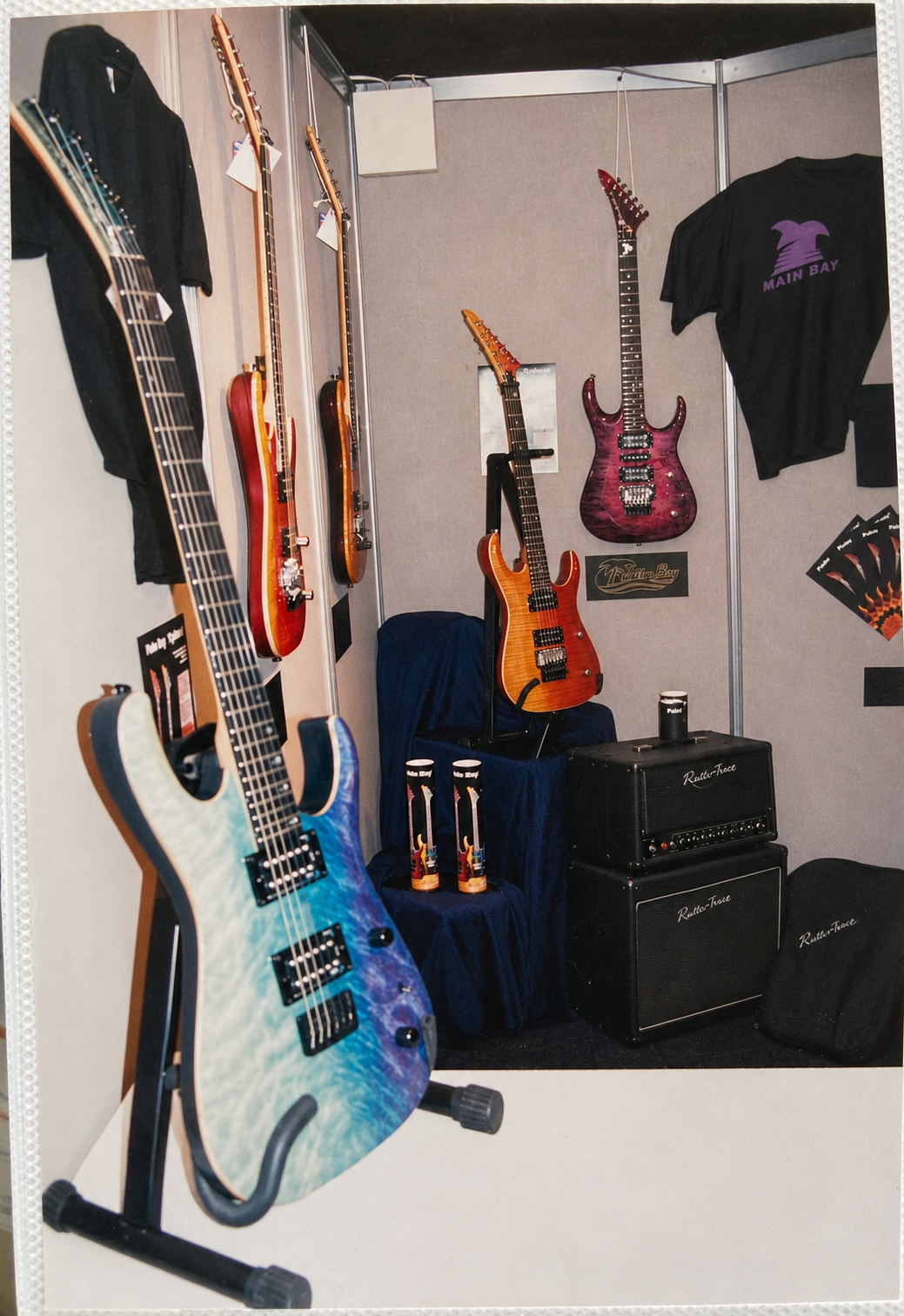
Founded in 1991 in Fleet, Hampshire, by luthier Andrew Mackenzie, Palm Bay quickly established itself as one of Britain's most sought-after guitar brands. Each instrument began life as a hand-built creation, crafted by Mackenzie himself using carefully selected, high-quality materials and a simple philosophy: guitars should look great, feel great, play great and sound great.
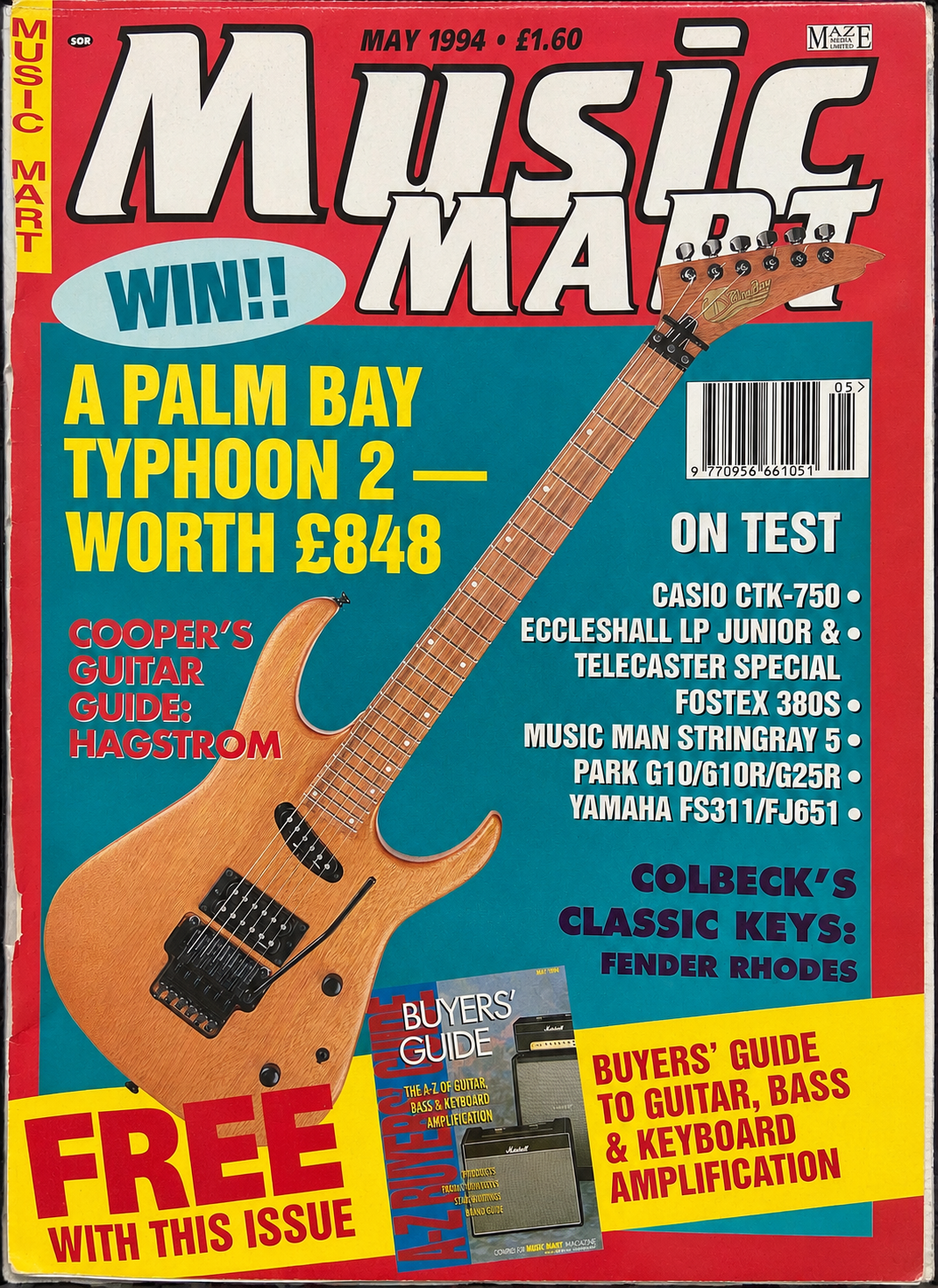
As the brand evolved, that philosophy remained at the heart of every Palm Bay produced. The earliest instruments were custom-built before the introduction of production models, beginning with the Typhoon and followed by the Tidalwave – the model that would become Palm Bay's biggest success in the UK market and earn the brand its cult following.
Over the years, the range expanded to include a number of innovative designs, most notably the Cyclone series, developed with export markets in mind and proving particularly popular in Japan. The line-up included variants such as the Cyclone SE, SE-X, SD-X, P6 and P7, with the latter eventually joining the UK range. Today, Palm Bay guitars are celebrated not only for their striking aesthetics and exceptional playability, but also for representing a unique chapter in British guitar-making history.


THE MAN, THE MYTH
ANDREW MACKENZIE
Andrew Mackenzie is the man who started Palm Bay, so who better to speak to about how it all began? As a Palm Bay owner and enthusiast, I’ve been keen to hear his story and bring some of that history to the archive. I’m delighted to share this interview with Andrew, a chance to hear about Palm Bay in his own words and get to know the person behind the guitars.
How did you get into making guitars?
I got into making guitars after quitting my job as a sales manager at a new car dealership so I thought I would make a guitar in my spare time, I had previously made one years earlier when I was about 20! A guy I knew from a local guitar shop saw it and asked if I could make one for him. I sold him that one then he suggested that I make more to sell them. Kinda went on from there…
What led you to start Palm Bay?
After a while I was just making necks and bodies together with hardware etc., I got asked to make complete guitars for a local band and so I needed a name for them, I had friends in Tampa Bay and I liked palm trees so it became Palm Bay!
What was the inspiration for the first guitars, did you feel there was something missing on the market?
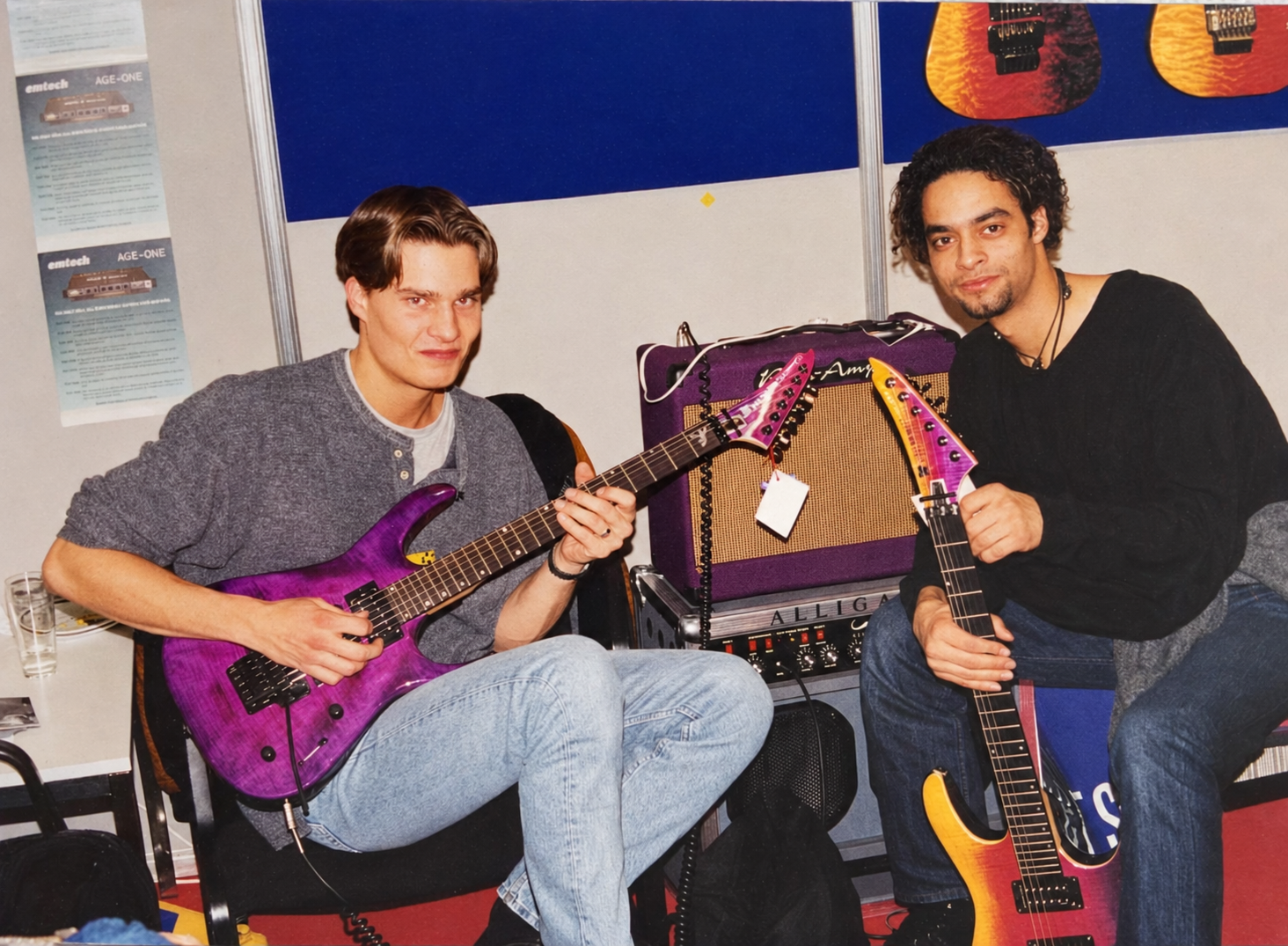
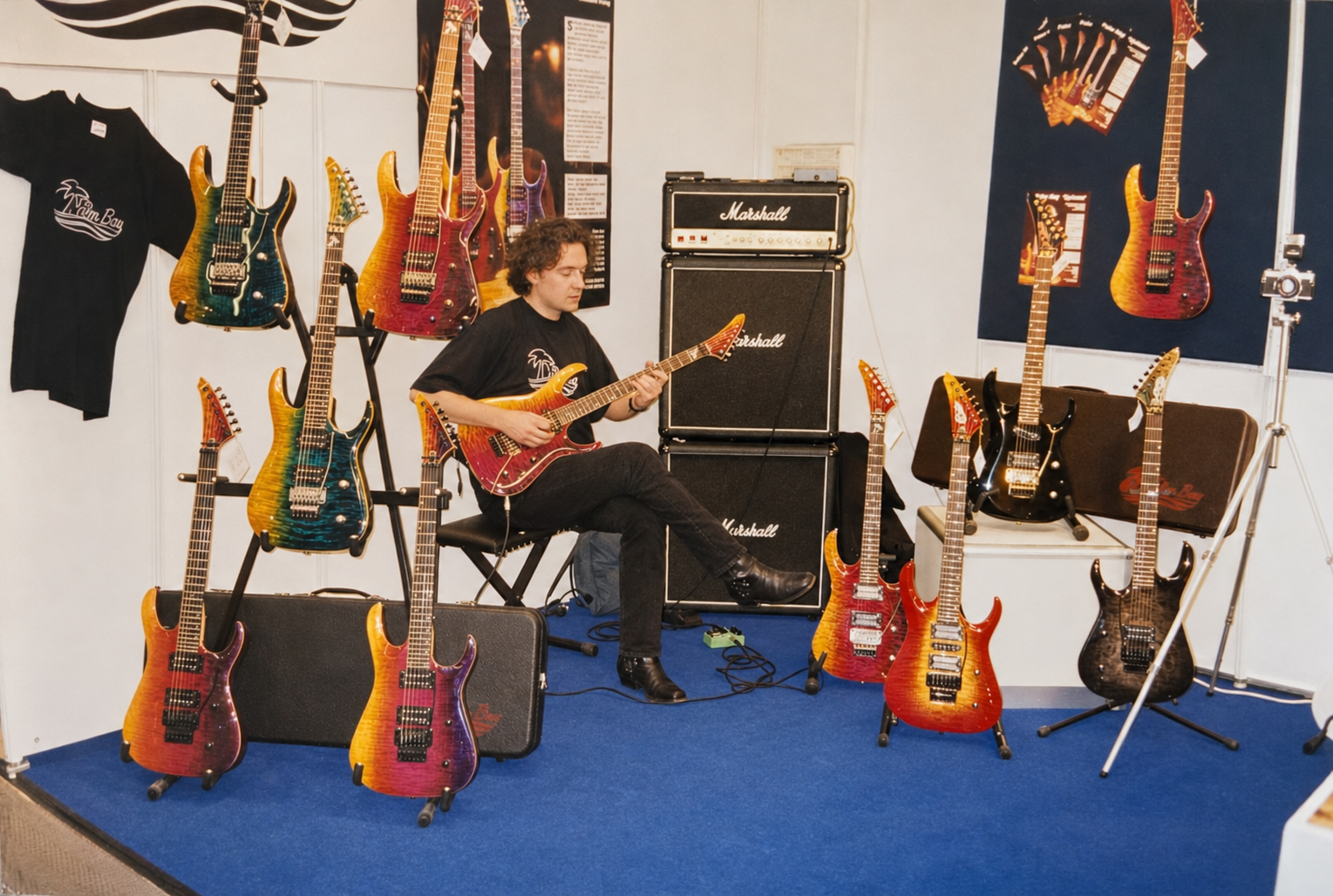
When I started to think of design and colour I thought about what was missing at that time when guitars were boring colours and sunburst. That’s when I decided bright multi coloured ones might work. I decided that if they were to go into shops, this was the way forward. Firstly they had to catch people’s eyes, hence the bright colours. Then if they were to ask to look at one it had to feel good on the neck and feel balanced throughout and comfortable in the body. Lastly if it was plugged into an amp it would sound great!It worked and they sold really well.
How did a new model usually begin: with a player’s request, a practical problem, or an idea you wanted to try?
I just kept an eye on the market and issued new models as and when it felt comfortable and the design and concept worked as well as new colour designs seemed appropriate after sometimes taking to existing customers.
How much did you build by hand, and which parts of the process changed as the company grew?
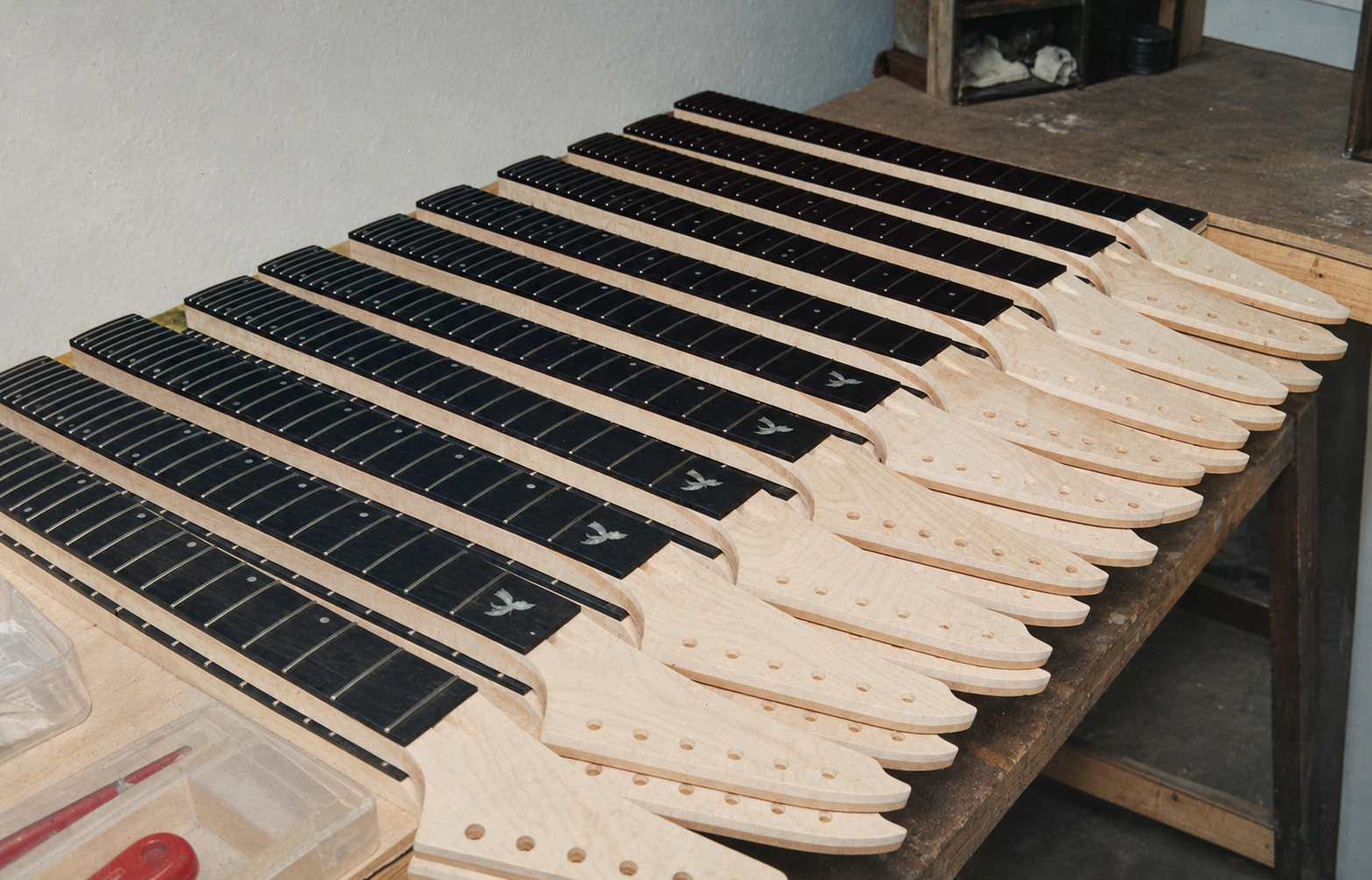
Everything was hand built for years except for the pickups and hardware but everything was then finished and assembled by hand.
Which guitar in your mind was the best Palm Bay design/guitar that you made?
I don’t really have a particular favorite but I have a prototype Tidalwave from 2018 and an Avalanche AXX1 which I love but I am sorry I didn’t keep a Cyclone P7XS as well!
Which other brands do you really admire?
I don’t really look at other brands in an envious way except when I see other brands I think why!!?? Also I look at other brands and see that they are nearly all copying my colours now!
KEEP THE STORY ALIVE
JOIN THE ARCHIVE
Own a Palm Bay? Help preserve the history of one of Britain’s most distinctive guitar brands by sharing photographs, serial numbers and stories.
REGISTER YOUR GUITAR →